Organ System Diagram Biology Diagrams Organ System Definition. An organ system is a group of organs that work together to perform a certain function in an organism's body. Most animals and plants have organs, which are self-contained groups of tissues such as the heart that work together to perform one function. Humans and other mammals have many organ systems.
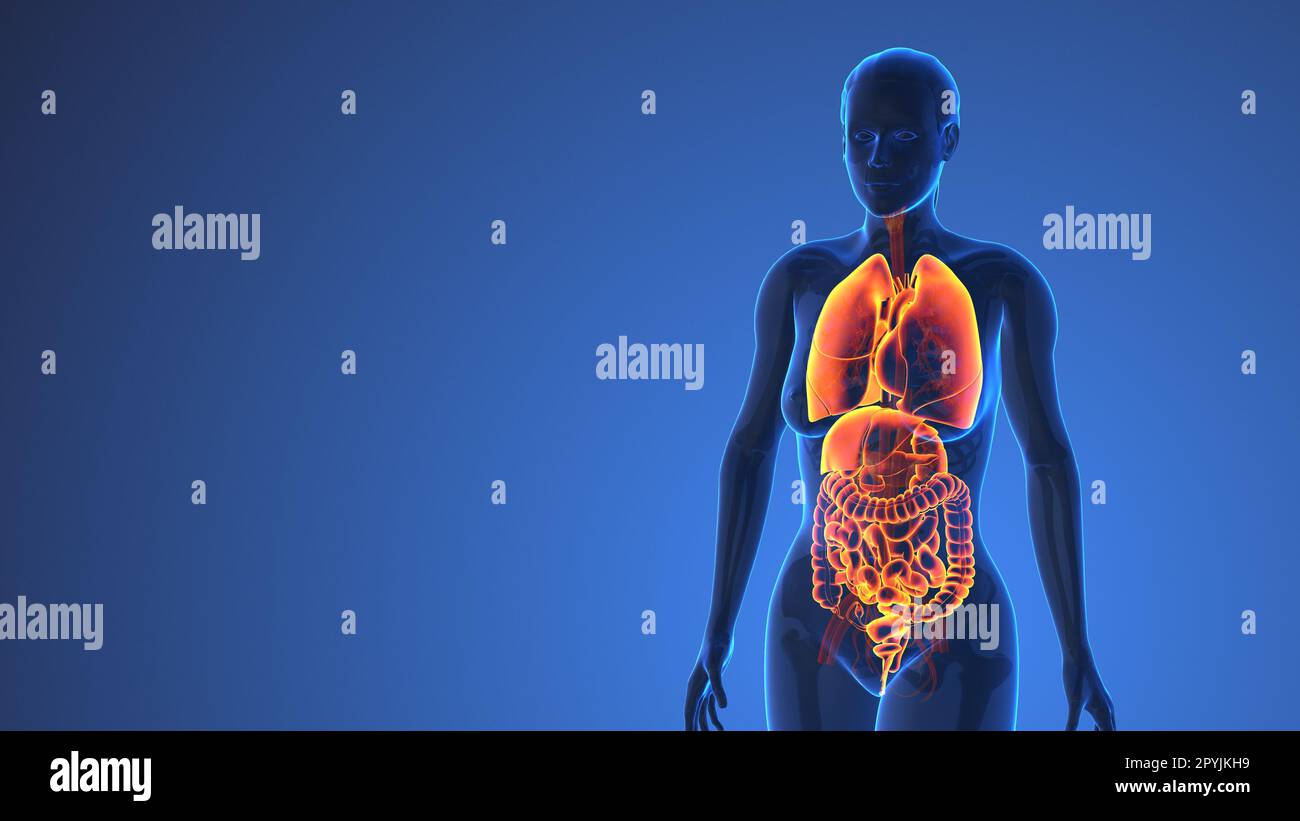
The human body is a complex system of organs, tissues, and structures that work together to sustain life. Each organ has a specific location and function, contributing to processes like circulation, digestion, and respiration. Understanding this organization provides valuable insights into health, medical diagnostics, and treatment strategies. This is called the master body system, as it controls all the other organ systems of the body.; The nervous system regulates whole-body physiology, functions, and movements.; It has a brain, spinal cord, and somatic and autonomic nerves (sympathetic and parasympathetic nervous systems). It stimulates the release of hormones when needed to control other systems. Blood is a fluid connective tissue that circulates throughout the body and is composed of red blood cells, white blood cells, platelets, and plasma. While blood does play a vital role in the body's functions, it is not considered an organ. The circulatory system, which includes the heart, blood vessels, and blood, is considered an organ system.

The 11 Body Organ Systems: Anatomy and Function Biology Diagrams
Organ systems often work together to do complicated tasks. For example, after a large meal is eaten, several organ systems work together to help the digestive system obtain more blood to perform its functions. The digestive system enlists the aid of the cardiovascular system and the nervous system.Blood vessels of the digestive system widen to transport more blood.

Body systems are groups of organs and tissues that work together to perform important functions in the body. Some tissues are part of more than one system. Overview of Body Systems. All body systems are necessary for a complex organism to be able to survive and reproduce.

What Are All the Organ Systems? Biology Diagrams
Muscular system The muscular system consists of all the body muscles. There are three muscle types; smooth, cardiac and skeletal muscles. Smooth muscle is found within walls of blood vessels and hollow organs such as the stomach or intestines.Cardiac muscle cells form the heart muscle, also called the false. Skeletal muscles attach to the bones of the body.Among these three, only skeletal Overview of the Major Organ Systems. To truly grasp the complexity of the human body, it's essential to delve deeper into each organ system. Below is a comprehensive overview. 1. Circulatory System. The circulatory system is responsible for transporting blood throughout the body. It consists of the heart, blood vessels (arteries, veins, and An organ system is a group of organs that work together in the body to perform a complex function, such as pumping blood or processing and utilizing nutrients. There are 11 major organ systems in the human body:
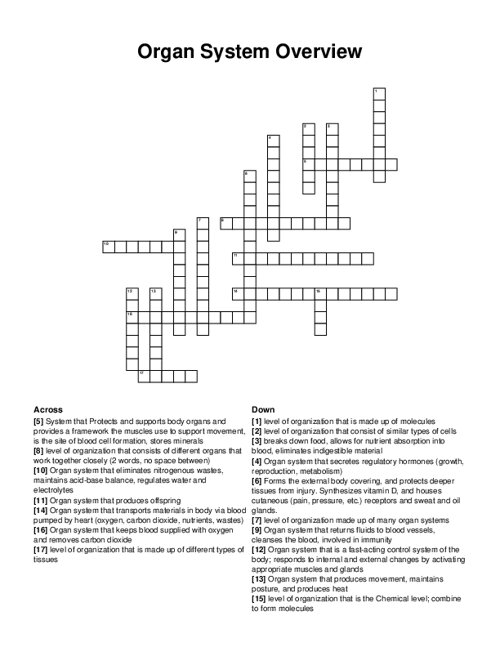
Muscular System: Encompasses all muscles, enabling movement and maintaining posture. Skeletal System: Consists of bones and joints, providing structure and support. Endocrine System: Includes glands that release hormones for regulation of processes like growth and metabolism. Reproductive System: Involves organs like the ovaries and testes

