Layer by Layer Understanding Your Skins Structure Biology Diagrams Skin consists of many layers, made of water, protein, fats and minerals. Skin is the largest organ in the body, protecting it from external elements. Skin consists of many layers, made of water, protein, fats and minerals. Anatomy. What are the layers of the skin? Three layers of tissue make up the skin: Epidermis, the top layer. Learn about the function, gross structure and ultrastructure of the skin, the largest organ in the human body. Explore the layers of the epidermis, dermis and hypodermis, and the skin appendages and disorders.
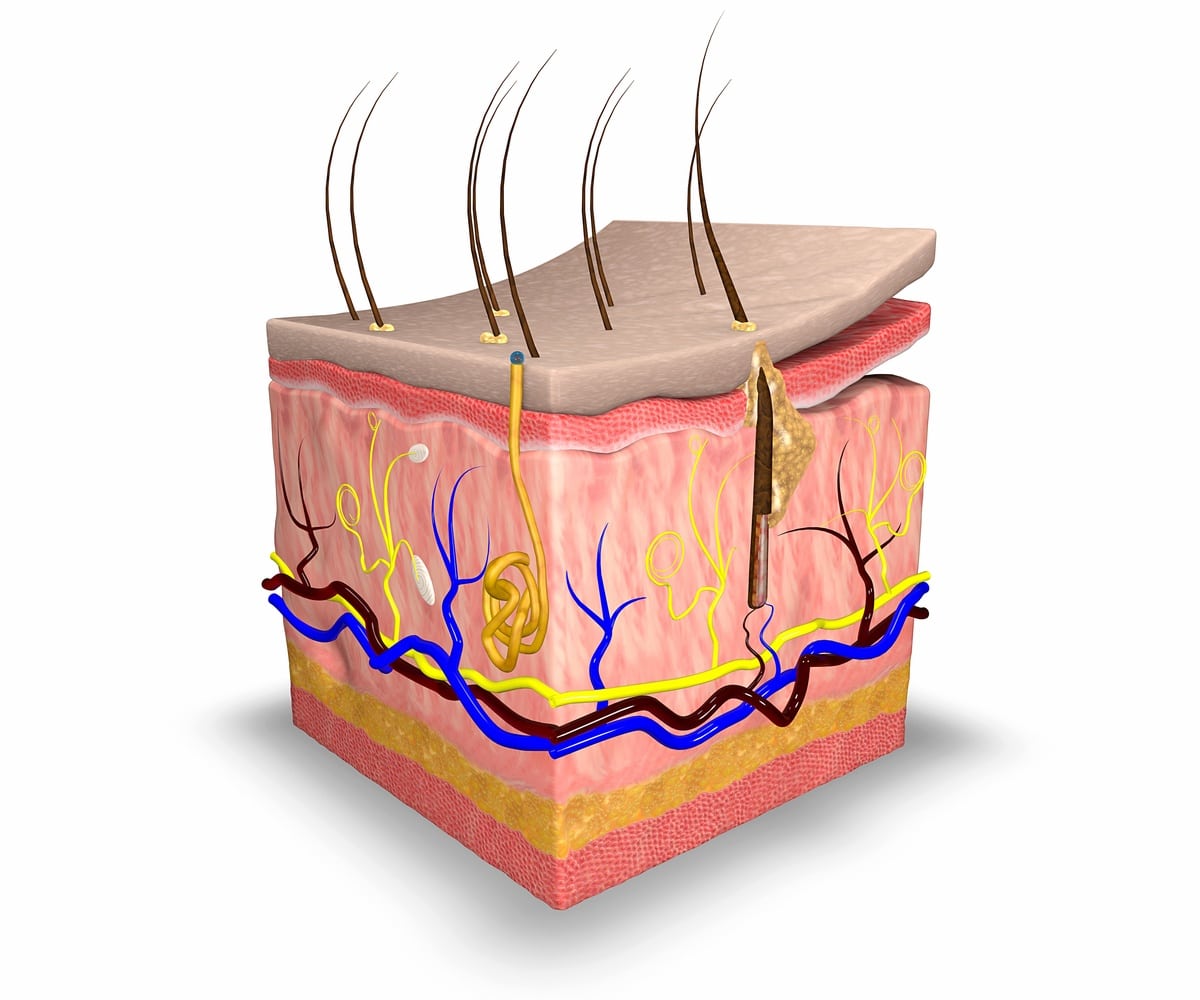
Learn about the three layers of the skin: epidermis, dermis, and subcutaneous fat layer. Find out how each layer functions and what cells and structures they contain. The layers of the skin make up the body's largest organ, providing a crucial barrier between the internal structures and the external environment.This complex, multi-layered tissue is essential for protection, sensation, temperature regulation, and immune defense. Understanding the structure and function of the layers of the skin is key to appreciating its role in human health and physiology.
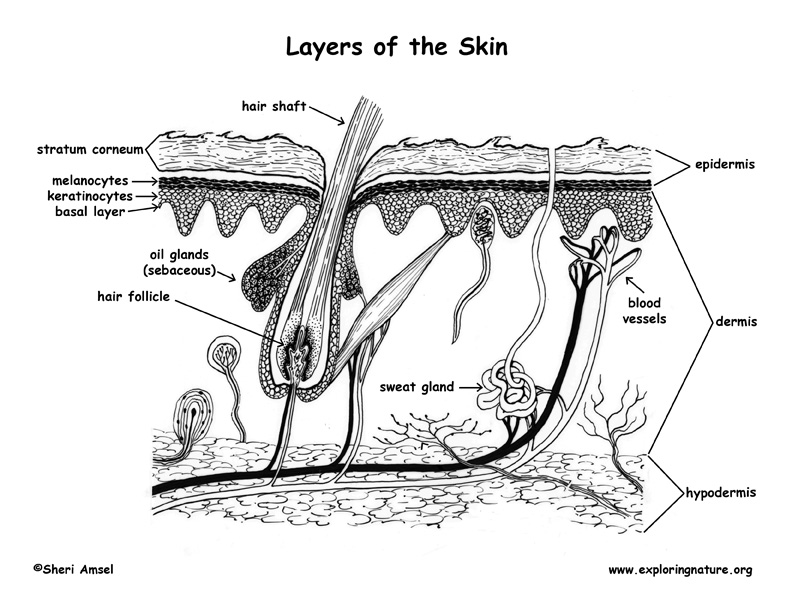
Skin Layers: Structure, Function, Anatomy, and More Biology Diagrams
Learn about the structure and functions of the epidermis, dermis, and hypodermis, the three layers of the skin. See diagrams, micrographs, and animations of the skin cells and tissues.
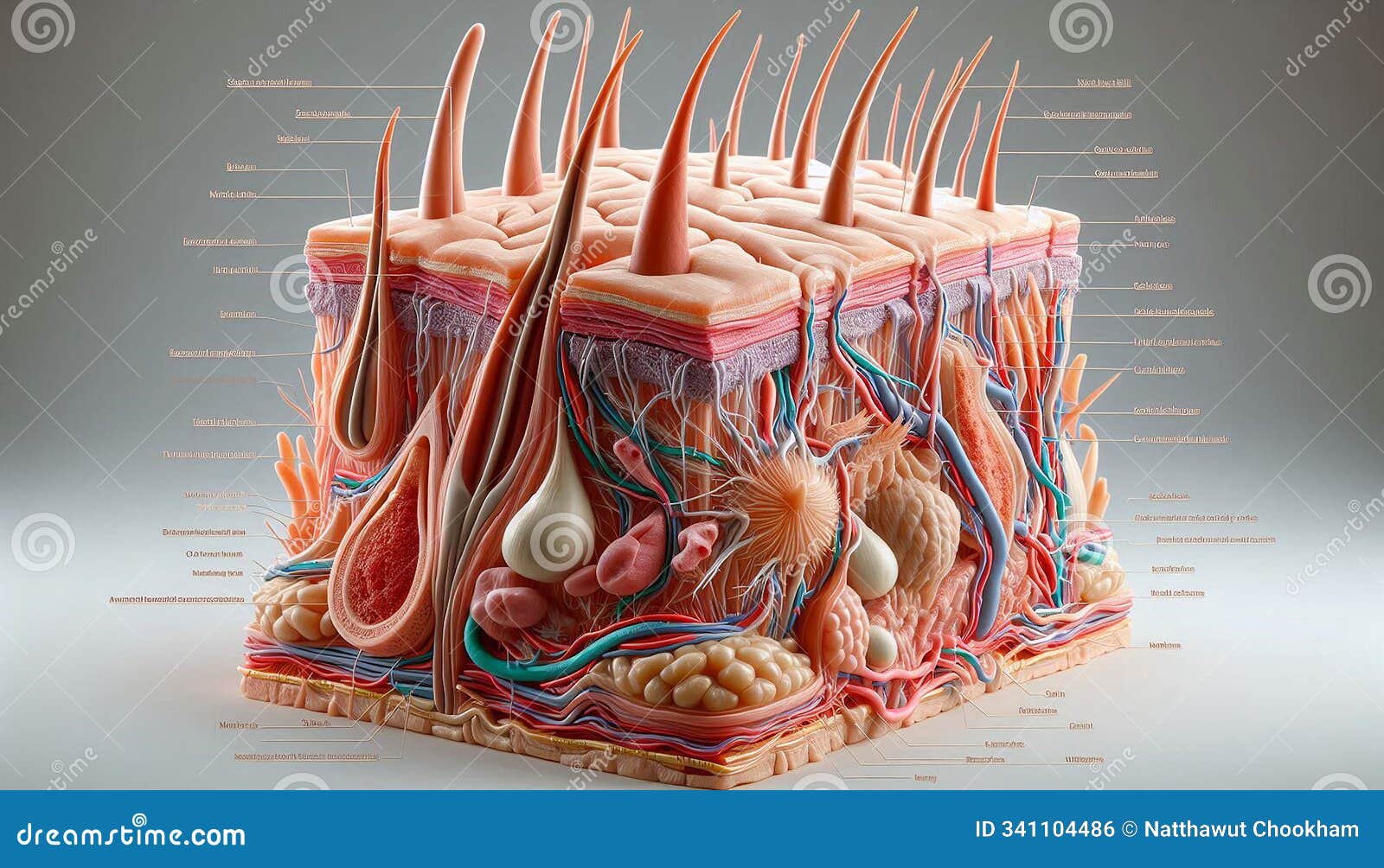
Learn about the structure and functions of the epidermis, dermis, and hypodermis, the three layers of the skin. See diagrams, micrographs, and animations of the skin cells and tissues.
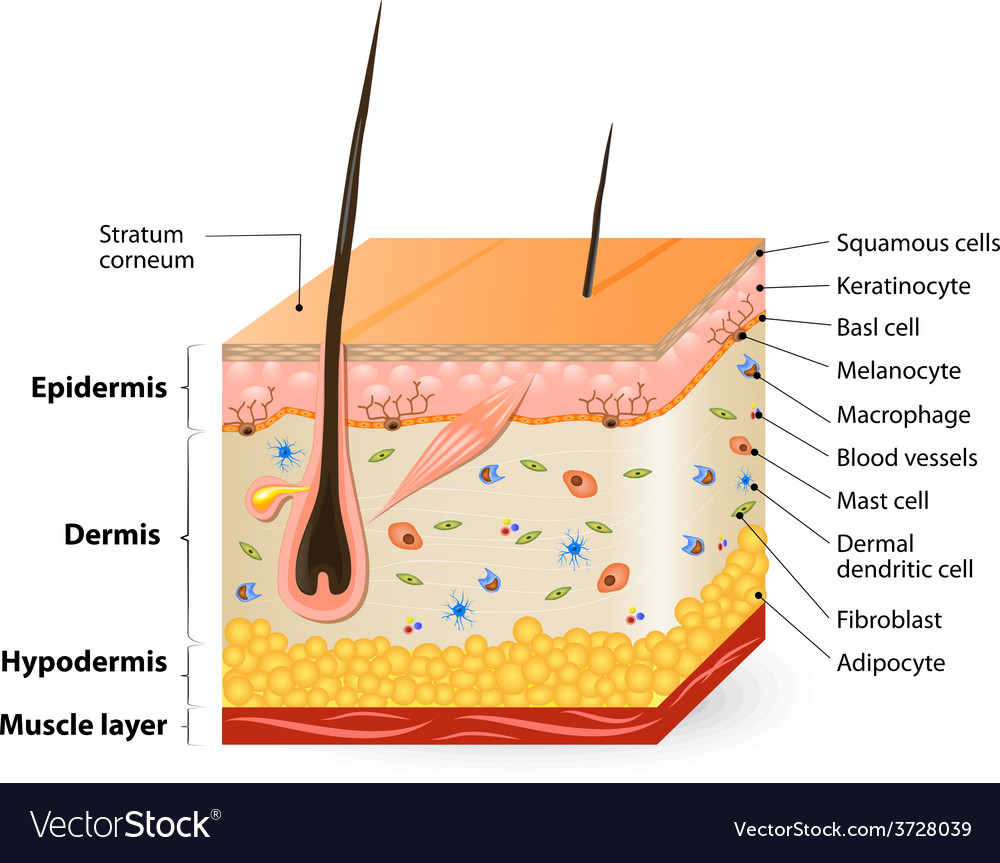
5.1 Layers of the Skin Biology Diagrams
Learn about the three main layers of skin (epidermis, dermis, and hypodermis) and their functions. Find out how skin conditions affect the different layers and what to do about them.

